
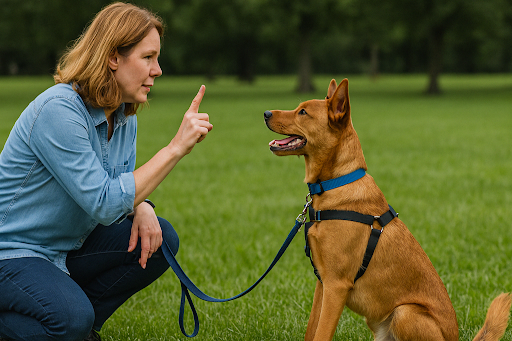
Walking your dog should be a bonding experience, not a battle of wills. Yet, many pet parents struggle with leash pulling, lunging, or stopping mid-walk. The good news? These issues can be managed or completely eliminated with the right training approach—and by using dog collars and dog harnesses appropriately. In this guide, we’ll walk you through tried-and-true techniques to improve leash behavior, plus how to choose and use gear that sets your dog up for success.
Understanding the Basics: Why Leash Manners Matter
Leash manners go beyond convenience. Poor behavior on walks can lead to physical strain for both you and your dog, injuries, and even anxiety in social settings. Whether you’re navigating crowded parks or quiet neighborhood streets, a dog that walks calmly beside you makes every outing more enjoyable.
Training your dog to walk politely on a leash requires consistency, the right tools, and a deep understanding of your dog’s motivations and personality.
Choosing the Right Gear: Dog Collars vs. Dog Harnesses
Before we dive into training methods, let’s clarify which tool is best suited for your dog. Both dog collars and dog harnesses have specific purposes. Understanding these differences helps you train smarter.
Dog Collars
- Ideal for dogs who already walk well on a leash
- Useful for quick identification and tags
- Best for calm, controlled walks
Dog Harnesses
- Excellent for strong pullers or reactive dogs
- Distributes pressure across the chest to reduce strain on the neck
- Offers more control during training sessions
For training purposes, especially with dogs who pull, harnesses with a front clip (no-pull harnesses) can redirect motion and encourage better walking behavior.
Step-by-Step Training: From Pulling to Polite Walking
Step 1: Set the Foundation at Home
Start training indoors or in your backyard to limit distractions. Have your dog wear their collar or harness during short periods, rewarding calm behavior. Use a short, sturdy leash and hold treats in your hand.
Step 2: Use Positive Reinforcement
Reward your dog for staying near your side. Each time they check in with you, give them a treat and a verbal cue like “Yes!” or “Good dog!”. This creates a strong association between walking calmly and getting rewarded.
Step 3: Practice Red Light, Green Light
When your dog pulls ahead, stop walking. Wait until they return to your side or look at you, then resume walking. This shows them that pulling gets them nowhere. It’s slow-going at first, but incredibly effective.
Step 4: Teach a Focus Cue
Teach your dog a cue like “Look” or “Watch me.” Use treats or toys to capture their attention. This skill is especially helpful in distracting environments.
Step 5: Add Duration and Distraction
As your dog improves, slowly introduce new challenges. Walk past people, other dogs, or noisy environments. Keep sessions short, positive, and end on a high note.
Common Mistakes to Avoid
Even the best intentions can be undermined by small missteps:
- Inconsistent cues: Make sure all family members use the same commands.
- Tension on the leash: A tight leash can increase anxiety. Keep it slack unless redirected.
- Overusing corrections: Focus more on reinforcing good behavior than punishing the bad.
- Skipping socialization: Dogs that lack exposure to other animals or people may overreact on walks.
Advanced Tips for Reactive or High-Energy Dogs
Some dogs require more than the basics:
- Use a front-clip harness for control. It naturally discourages pulling by redirecting forward motion.
- Incorporate clicker training. This enhances timing and precision in marking desired behavior.
- Schedule structured walks. Let your dog explore for the first 5 minutes, then transition into training mode.
- Try leash pressure work. Teach your dog that a gentle pull means “come closer” rather than “pull harder.”
How Dog Collars and Dog Harnesses Complement Training
Think of collars and harnesses as communication tools. A dog collar gives quick correction with minimal fuss, while a dog harness can gently guide without causing discomfort. Many trainers suggest switching between the two based on context:
- Harness for training sessions or hikes
- Collar for everyday walks or potty breaks
By rotating based on behavior goals, you reinforce your dog’s ability to adapt and respond appropriately to different environments.
Safety Tips During Training
- Always check the fit of your dog collars and dog harnesses before each walk.
- Never leave a harness on unsupervised; it can get caught on furniture or fences.
- Opt for reflective or LED gear for early morning or evening walks.
- Monitor your dog for signs of stress: excessive panting, stiff posture, or avoidance.
Age-Specific Considerations
Puppies: Start slow and gentle. Short, fun sessions are key. Use lightweight harnesses and collars, and focus on socialization alongside leash training.
Adult Dogs: Consistency and patience are vital. Adult dogs may have learned bad habits, but with clear structure, they can unlearn them.
Senior Dogs: Take joint issues and fatigue into account. Use padded, soft harnesses for comfort and adjust the pace.
Matching Gear to Dog Personality
Every dog is different. Match gear to temperament:
- Bold and confident? Opt for structured collars with clear cues.
- Timid or anxious? Choose padded harnesses with secure buckles.
- High-energy? Use no-pull harnesses for better control without discomfort.
When to Seek Professional Help
If your dog lunges aggressively or has serious leash reactivity, consult a certified trainer. They can help tailor techniques that are safe and specific to your dog’s behavior profile. Look for trainers who use force-free, positive reinforcement methods.
Creating a Lifelong Habit
Good leash behavior isn’t built overnight. But with daily practice, clear expectations, and the right gear, your dog will associate walks with trust and teamwork.
The more consistent your routine, the more confident your dog becomes—and confident dogs are calm walkers.
Final Thoughts
Dog collars and dog harnesses aren’t just accessories; they are foundational tools in shaping how your dog experiences the world. Used thoughtfully and paired with structured, positive training, they can turn every walk into a rewarding routine.
Invest in high-quality gear, stay consistent, and always be your dog’s biggest cheerleader. Your efforts today lead to a future of relaxed, enjoyable walks—for both of you.