
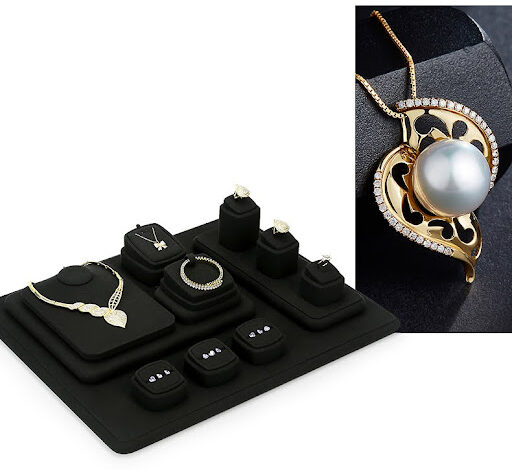
When it comes to wholesale jewelry, buyers are overwhelmed with options; an effective display is more than just an effective means of showing products; it’s an invaluable asset that drives sales, builds brand trust and leaves an unforgettable impression on buyers. Retail displays cater to individual consumers looking for emotional connections with pieces, while wholesale displays must balance visibility, functionality and scalability to meet the unique needs of B2B buyers – such as retailers, boutique owners and e-commerce sellers. No matter whether exhibiting at trade shows, managing wholesale showrooms or curating online catalogs – mastering wholesale jewellery display can make a significant impactful statement about your brand and influence buyers’ purchasing decisions.
Understanding Wholesale Buyer Attitudes and Behavior: Building Effective Displays
Prior to designing a display, it’s crucial that it fits with the priorities of wholesale buyers. While retail shoppers may be drawn in by aesthetics alone, B2B buyers place importance on practicality, profitability and ease of reordering – they must therefore:
Rapidly assess the quality of materials (metals, gemstones and craftsmanship). Visualize how their jewelry will fit into their retail spaces or online listings. Compare styles, sizes and price points efficiently.
Confirm consistency among bulk orders (e.g., uniform plating or matching gemstone hues).
Your display should meet these needs first and foremost. For instance, buyers visiting a showroom to source wedding bands will want to see multiple sizes side-by-side rather than dispersed across a case. An e-commerce buyer requires clear images showcasing product dimensions – this information must be included on both physical and digital displays.
Effective Wholesale Jewellery Display: Three Core Principles Effective wholesale displays rely on three fundamental tenets – visibility, organization and storytelling. These elements work together to lead buyers through your collection with ease while drawing out key pieces to help streamline decision-making processes and simplify decision making processes.
Visibility: Make Every Piece Shine (Literally and Figuratively)
Jewellery is an artifact of light; its beauty lies in how it reflects, refracts, and attracts the eye. Poor lighting can obscure details, dull metals appear duller, hide flaws more effectively causing buyers to overlook even your most valuable pieces.
2.Lighting Options: When lighting silver, platinum and white gold jewellery pieces, opt for cool white LED lights (5000K-6500K), as they enhance their brightness without casting yellow tones. Warm white LED lights (3000K-4000K) add warmth while also revealing depth of colors – these bulbs also help avoid fluorescent lights which may make the pieces seem cheap or washed-out.
Display Height: To create an appealing display of bestsellers and high-margin items for average adults (60-66 inches), lower shelves can display complementary pieces such as earrings to pair with necklaces while higher shelves may hold bulk sets or seasonal collections.
Reducing Clutter: Overcrowding display cases is a frequent mistake among wholesalers. Buyers need space to pick up pieces, inspect them closely, and compare options. Aim for 2-3 inches between items in each display case for optimal viewing, using dividers or small trays to prevent items from tangling together or becoming scratched up.
2. Organization: Make Navigating an Easy Task Wholesale buyers often have tight schedules. At trade shows or online browsing platforms such as Amazon.com, buyers may visit numerous vendors in one day; thus wasting their time by browsing disorganized displays wastes time and increases the likelihood they’ll move onto other competitors instead.
Categorization Strategies: Arrange your collection according to product type (necklaces, bracelets and earrings), style (minimalist, boho or bridal), price point or target market (everyday wear or luxury gifting). For instance, create a display dedicated exclusively to “everyday silver earrings”, including clear price tags with clear price points (for instance 12-26).
Labeling: Clear labeling is essential in wholesale. Each display should include: Product SKU or Item number for easy reordering;
Wholesale Price Per Unit and Bulk Discount Tiers (e.g. “15 Per Unit for 50+ Units”).
Key details about this item include its material (e.g. “925 sterling silver”), gemstone type (“lab-grown sapphire”) and dimensions (18-inch chain”).
Use durable, easy-to-read tags (e.g. acrylic or metal) that won’t smudge or fall off in digital displays or online catalogs; for best results include this information either as hover-over text or sidebars.
Consistency across Channels: If your business offers both physical showroom and online wholesale portal retail space, be consistent in categorizing products across these two channels. A buyer who finds “bohemian beaded bracelets” should easily find that category online without becoming confused.

3. Storytelling: Align Buyers with Your Brand’s Value
Wholesale buyers want brands with clear identities–ones that resonate with their target audiences and resonate with buyers themselves. Your display should tell a narrative about your mission, craftsmanship or inspiration–which should resonate with wholesale buyers.
If your brand specializes in sustainable jewellery, for instance, create a display using recycled wood shelves and eco-friendly linen backdrops with signage to emphasize the zero waste production process. Pair pieces with small cards explaining their design (e.g. “These earrings are handcrafted using recycled ocean plastic; each piece is one-of-a-kind”) so customers can see exactly how unique each design piece is.
Contextualization: Help buyers imagine how your jewellery will sell in stores by displaying it on a simple mannequin neck or retail-style stand, such as one found at boutiques. Online presentations should include lifestyle photos (e.g., of models wearing it casually) to demonstrate versatility.
Practical Display Strategies for Different Wholesale Channels Your approach to jewelry display will depend on which channel is being utilized–trade shows, showrooms, or online platforms all require tailored strategies in order to maximize impact.
Trade Show Displays: Gain Attention in a Crowded Hall Trade shows are high-stakes environments: your booth only has three to five seconds to pique people’s interest as they pass by it. Focus on portability, durability and instant brand recognition to get ahead in this race.
Booth Design: Choose a color scheme that aligns with your brand (for instance, all-white with gold accents for luxury products). Invest in a modular display system; these make assembly and reconfiguration for various show sizes easy – for instance stackable acrylic cases can be configured either pyramid-like to draw attention or flatly laid for more tabletop space.
Interactive Elements: Include a small mirror so buyers can try on pieces (especially important when selling earrings and necklaces), as well as a tablet loaded with your wholesale catalog for them to browse additional styles that may not be displayed and place orders quickly and conveniently.
Branding: Make your logo visible across all platforms (back wall of booth, display cases and promotional materials like business cards or lookbooks) so buyers will remember you long after the show ends. Consistency helps customers recall your brand.
2. Showroom Displays: Create an Enduring Impression
A wholesale showroom should create a lasting impression with customers by offering collections at regular intervals to prospective clients and creating an environment that feels professional yet welcoming, reflecting your brand aesthetics and communicating your company values.
Fixed Versus Flexible Displays: Consider using fixed cases for year-round collections like silver jewelry (e.g., your year-round silver line), while flexible displays like rotating shelves or removable trays allow for seasonal pieces (such as holiday-themed bracelets ) that change with each season without major renovation. This way you can update the space quickly without making major alterations.
Comfort Zones: Create a small seating area with chairs and tables so buyers can review order forms, ask questions, take breaks, or just relax while reviewing order forms. Provide water or coffee as small gestures that show buyers they’re appreciated and encourage them to stay longer.
Sample Sets: Provide buyers with retail-ready sample sets that include multiple complementary pieces (e.g., necklace, bracelet and earrings). This helps them visualize how to cross-sell your jewellery in their stores and can encourage larger orders.

3. Online Wholesale Displays: Translating Tactile Beauty to Digital For online wholesale platforms (such as your B2B portal, Alibaba or Etsy Wholesale), the challenge lies in simulating an in-person experience of touching and inspecting jewellery – this requires high-quality visuals and extensive product details to replicate this in-person interaction.
Photography: For best results, hire a professional photographer to capture every piece from various angles: front, side and back shots as well as closeups of any details (such as gemstone cuts or clasp mechanisms). Include shots showing scale. Finally, place it against an uncluttered white or light gray backdrop so that all focus remains on your product.
360-Degree Views and Videos: When selling higher-priced items, include 360-degree interactive views or short videos showing them moving (such as when fastening a bracelet or swinging slightly), to help buyers accurately evaluate both quality and design more thoroughly.
Virtual Showrooms: Consider creating virtual showrooms using tools like Matterport or Shopify’s 3D features, where buyers can “walk through” digital versions of your physical showroom. This approach may prove particularly helpful for international buyers who cannot visit in person.
Integrating Technology to Elevate the Wholesale Experience Technology can streamline and enrich the wholesale experience, creating more engaging displays. Here are a few tools you should keep in mind:
Digital Price Tags (e.g., from companies like SES-imagotag) allow you to quickly update prices, discount tiers and product info in real-time without needing to print new labels for every price change – ideal for trade shows or showrooms with large inventories.
Integrate Your Display With Inventory Management Software: Integrate your display with software such as TradeGecko or Zoho Inventory to enhance buyer experiences when picking items off displays, with sales reps being able to scan its SKU with a tablet device for instant stock level updates and quote generation.
Customer Relationship Management (CRM) Tools: HubSpot or Salesforce provide useful CRMs that allow businesses to monitor buyer interactions. If, for example, an individual inquires about customizing one of your necklace displays, note this request in their profile and follow up later with more information.
Maintain Your Displays to Preserve Quality and Appeal
A display that appears fresh and well-kept shows buyers that you take great pride in the products. Here’s
how you can keep it in top shape:
Daily Checks: Wipe down display cases with a soft, lint-free cloth to remove fingerprints and dust, checking for loose tags, tangled chains or damaged pieces and immediately replacing or repairing them as needed.
Refreshes: For an engaging display space, regularly change seasonal collections into and out of displays to keep things feeling fresh and alive. For instance, switch summer beaded bracelets for winter velvet chokers when the season changes.
Damage Prevention: For silver and copper jewellery cases, anti-tarnish strips should be installed to avoid discoloration from discoloring over time. Trays containing pieces should also be lined with soft felt or velvet to safeguard them against scratches. In online displays, regularly verify links, images, pricing etc to ensure everything remains accurate.
Conclusion
Displaying wholesale jewellery requires both art and strategy: understanding your buyers’ needs, prioritizing functionality, and communicating your brand story effectively. Whether designing a trade show booth, showroom display, online catalog catalog, or catalog storefront; your aim should be to make it easy for buyers to discover, evaluate and fall in love with your pieces quickly. By prioritizing visibility, organization, storytelling and technology solutions that facilitate this process efficiently you can create displays that not only showcase but also drive sales while forging long-term relationships with B2B partners; keep this in mind: creating stunning displays doesn’t just sell pieces – they sell visions of success for their businesses!