Why Roof Replacement Costs Vary Depending on Hidden Structural Damage in Madison AL

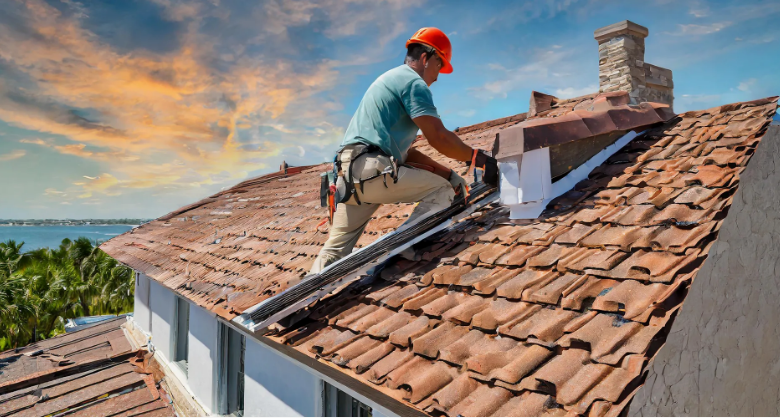
Fresh inspections often reveal issues that homeowners never realized were buried beneath old shingles. Once layers are removed, hidden structural problems come to light, and those conditions directly influence overall pricing. This is why many people searching for roofing near me or roof replacement in Madison AL notice wide cost differences from one project to another.
Subfloor Rot Expanding Repair Scope Once Shingles Are Removed
Subfloor rot begins quietly, usually caused by long-term moisture slipping through weak points. After the old shingles are lifted, softened decking exposes gaps that crews must repair to restore a safe and stable surface. This extra work stretches the timeline for Madison roof replacement projects because workers must remove damaged areas before new materials can be installed. The added labor also changes the estimate homeowners initially receive. Proper reconstruction requires cutting out deteriorated sections and rebuilding them with structurally sound decking, which increases labor hours and disposal volume. Any roof repair near me service operating in Madison AL will confirm that unnoticed subfloor damage is one of the leading reasons cost adjustments occur.
Hidden Mold Requiring Deeper Material Removal and Treatment
Mold often grows in sealed spaces where ventilation is poor and moisture lingers. Once crews open the surface, discoloration or spore growth shows how far the issue has spread beneath older layers. Mold remediation is a specialized step and generally expands the scope of work for roof replacement in Madison AL.
Removing mold demands extra precision because contaminated sheathing and insulation must be taken out fully to prevent future problems. Teams also need to treat adjacent areas to ensure spores do not return. This level of removal and cleanup requires additional time, materials, and trained labor that naturally increases cost.
Damaged Rafters Forcing Unexpected Structural Reinforcement
Rafters carry the weight of both the roofing system and external forces such as weather. Over time, heavy moisture, sagging loads, or past installation errors can weaken these structural beams. Once visible during tear-off, the discovery calls for reinforcement or partial rebuilds.
Repairing rafters requires experienced carpenters who can stabilize the structure before new materials go down. No two situations are alike, and the scope depends on how far the weakening extends. For homeowners searching for a roof repair company, rafter work is often the main factor separating a basic repair from a major structural project.
Widespread Fastener Corrosion Demanding Full Hardware Replacement
Fasteners play a larger role than people realize, keeping decking, underlayment, and shingles secured against high winds common in Alabama. Once corrosion spreads, the metal weakens, losing grip and reliability. Removing compromised hardware across large areas adds unexpected labor to any Madison roof replacement.
This issue also requires teams to reinstall upgraded fasteners that meet local building and wind-resistance standards. Each replacement increases material quantity and time spent onsite. Corrosion discovered late in the process can quickly shift a project’s cost if widespread across the structure.
Saturated Insulation Increasing Disposal and Reinstall Labor
Insulation directly beneath the decking traps moisture when leaks persist for long periods. Thick, waterlogged sections become heavy, messy, and difficult to remove safely. Proper disposal requires careful handling, especially on steep or tight workspaces.
Workers must then reinstall clean insulation that meets modern efficiency standards, adding both supply cost and labor time. Repairs related to insulation saturation often surprise homeowners searching for roof repair near me because the damage remains invisible until a full tear-off occurs.
Crushed Ventilation Channels Needing Complete Rebuild
Ventilation channels regulate airflow that prevents moisture buildup. Over the years, debris, compression, or collapsed baffles restrict the system’s performance. Once the channels collapse, heat and humidity rise inside the attic, which accelerates material deterioration above and below the decking.
Rebuilding these channels requires removing compromised components and constructing new paths for air circulation. This step may extend total time on the project but is necessary for long-term performance and material lifespan. Proper ventilation helps prevent future mold, rot, and shingle failure.
Warped Decking Panels Complicating Alignment and Fit
Decking panels warp after prolonged moisture exposure or repeated temperature shifts. During replacement, misaligned boards make it harder for workers to lay underlayment and shingles flat, especially on older homes. Correcting the warping ensures the new installation fits securely.
Technicians may need to remove select boards or replace entire sections depending on severity. A warped deck also affects fastening patterns and can reduce the effectiveness of the final roof unless rebuilt correctly. This added work explains why costs vary from one Madison roof replacement project to another.
Undiscovered Leak Paths Extending Waterproofing Work
Leak paths often weave through multiple layers, spreading farther than surface stains suggest. Once opened, crews trace these paths to identify every compromised zone. This investigative stage extends the process but is essential for lasting protection. Additional waterproofing layers, flashing updates, and sealing steps may be required once the full path becomes visible. Homeowners often learn that hidden leaks account for much of the repair time. Fleming Roofing provides full-service repair and replacement to address all hidden issues that influence final project cost.